Today: 9:00AM - 7:00PM
Blog / Vehicle Comparison

2025 Kia K4 vs. Hyundai Sonata: A Detailed Comparison for Car Shoppers

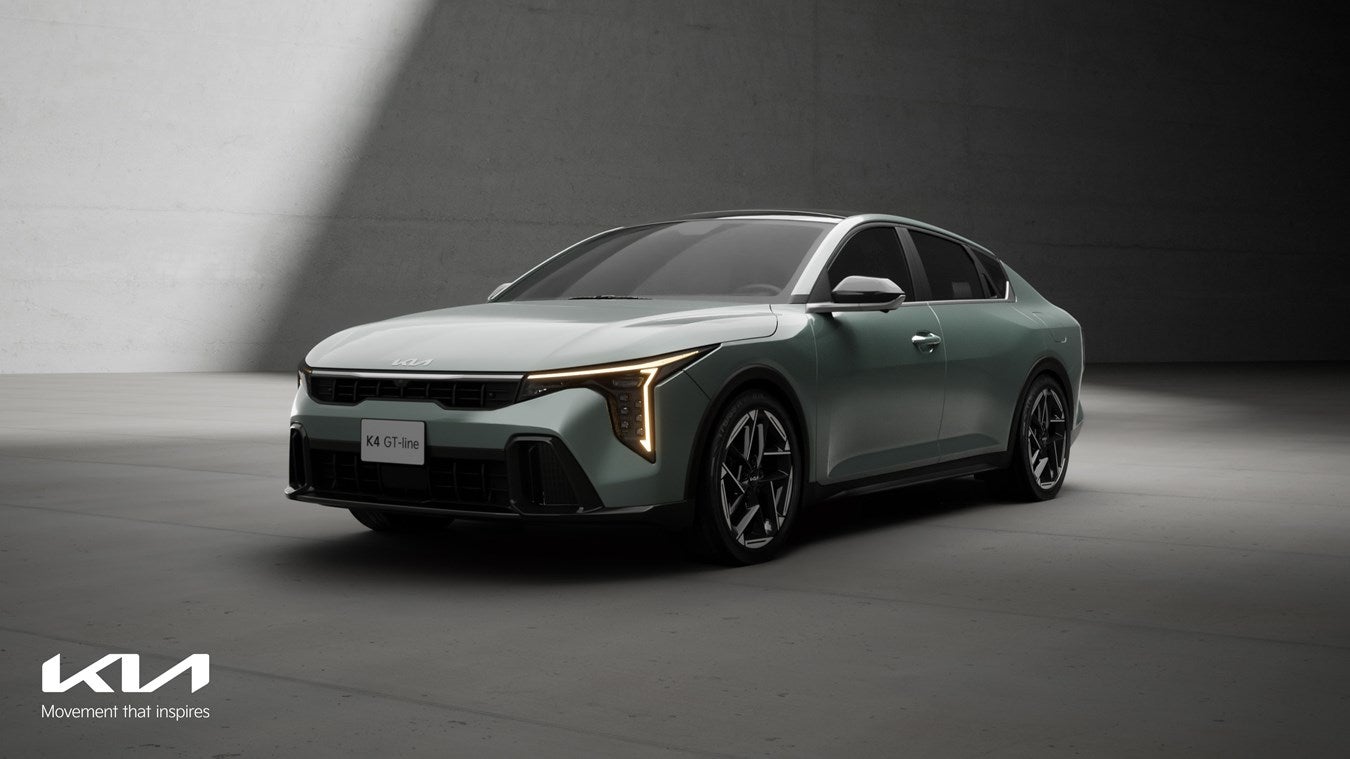
2025 K4 rendering in gray

In the competitive sedan market, the 2025 Kia K4 and Hyundai Sonata are carving their own paths, each with exciting new features and design updates. Though both originate from the same South Korean parent, they diverge in terms of styling, performance, and tech. This comparison will help you decide whether you lean toward the K4’s athletic appeal or the Sonata’s comfort-focused design.

The 2025 Kia K4

The 2025 Kia K4 is a bold newcomer with a sporty fastback design, replacing the outgoing Forte. It combines the practicality of a compact sedan with modern styling, making it an excellent option for those prioritizing efficiency and affordability with a touch of fun.

Performance

The Kia K4 comes with two engine options. The base engine is a 147-hp 2.0-liter four-cylinder paired with a CVT. While efficient, this setup feels sluggish for buyers looking for a more dynamic driving experience. For those seeking extra excitement, the GT-Line Turbo offers a 190-hp turbocharged 1.6-liter four-cylinder paired with an 8-speed automatic transmission. It’s reasonably quick, reaching 0-60 mph in 7.3 seconds, though not as sporty as some competitors like the Mazda 3. The GT-Line Turbo also benefits from a multi-link rear suspension, providing better handling compared to the torsion beam setup in the other trims.

Fuel Economy

Fuel efficiency is a standout feature of the Kia K4. The base engine achieves an impressive 30 mpg in the city and 40 mpg on the highway. The GT-Line Turbo, while slightly less efficient, delivers 26 mpg in the city and 36 mpg on the highway, with a real-world result of 35 mpg on the highway.

Interior and Infotainment

The K4's interior has clean lines and a clutter-free dashboard, creating a modern yet practical feel. It comes with a standard 12.3-inch touchscreen for infotainment, with an option for dual 12.3-inch screens. Wireless Apple CarPlay and Android Auto are included, along with physical buttons for climate and essential controls, which is a nice touch amid many touchscreens. While the cargo space is practical, obstructed views of the climate control touchscreen can be a minor drawback.

Safety and Driver Assistance

The Kia K4 is equipped with advanced safety features designed to ensure peace of mind on the road. Standard safety technology includes automated emergency braking with pedestrian detection and lane-departure warning with lane-keeping assist. Adaptive cruise control with lane-centering is available on higher trims, adding to its appeal.

Warranty and Pricing

Kia’s impressive warranty enhances the K4’s value, covering 5 years or 60,000 miles, with a powertrain warranty of 10 years or 100,000 miles. Starting at $23,145, the K4 is an affordable option, even with upgrades like the GT-Line Turbo priced under $30,000.

With its blend of practicality, style, and technology, the Kia K4 stands out in the compact sedan segment.

The 2025 Hyundai Sonata

The 2025 Hyundai Sonata is a remarkable family sedan that sets new standards in its class. With its modern design, advanced features, and versatile powertrain options, the Sonata caters to drivers who value both style and performance.

Modern Design and Versatile Powertrains

The 2025 Hyundai Sonata continues to raise the bar in the family sedan category. With its sleek design, robust features, and multiple powertrain options, it caters to drivers seeking a versatile and comfortable ride.

Powertrain Options for Every Driver

The Sonata offers a range of powertrains to suit varying preferences. The base engine is a 192-hp 2.5-liter four-cylinder, providing a smooth and reliable driving experience. For those focused on fuel efficiency, the hybrid option delivers 192 horsepower and seamless transitions, though acceleration may feel modest. For performance enthusiasts, the N Line model ups the ante with a 290-hp turbocharged four-cylinder engine, achieving 0-60 mph in just 5.0 seconds while maintaining ride comfort.

Impressive Fuel Economy Across Trims

Fuel efficiency varies by trim, with the hybrid being the standout at 44 mpg city and 51 mpg highway, even hitting a real-world 51 mpg on the highway. The base engine achieves up to 25 mpg city and 36 mpg highway, while the sporty N Line offers 23 mpg city and 32 mpg highway.

Spacious Interior and Advanced Technology

Inside, the Sonata impresses with a roomy and upscale interior that exceeds expectations for its price point. The infotainment system features dual 12.3-inch displays seamlessly integrated into the dashboard, along with wireless Apple CarPlay, Android Auto, and an optional Bose 12-speaker audio system. Cargo space is equally impressive, offering 16 cubic feet of storage, enough to hold up to seven carry-on suitcases.

Safety Features and Technology

Hyundai prioritizes safety with its SmartSense package, which includes forward-collision warning, automated emergency braking, lane-keeping assist, and adaptive cruise control as standard. Higher trims add optional features like parking assist for enhanced convenience.

Strong Warranty and Competitive Pricing

The Sonata is backed by Hyundai’s comprehensive warranty, including a 5-year/60,000-mile limited warranty and a 10-year/100,000-mile powertrain warranty. Complimentary maintenance is also covered for 3 years/36,000 miles. With pricing options ranging from the affordable SE trim to the performance-oriented N Line, the 2025 Hyundai Sonata delivers an excellent balance of versatility, comfort, and performance.

Final Verdict – Which Should You Choose?

The Kia K4 and Hyundai Sonata both offer great features, so your choice depends on your needs. The K4 is a stylish, fuel-efficient compact sedan that’s budget-friendly, making it ideal for urban commuters. Meanwhile, the Sonata provides more interior space and comfort, along with various powertrain options, including the sporty N Line variant that offers performance the K4 doesn’t.

Whether you focus on practicality or performance, you can’t go wrong with these modern mid-size sedans. Still undecided? Visit Savage Kia today and test drive the 2025 Kia K4 to discover why Kia is the right choice for you. We look forward to seeing you at our dealership in Reading for all your new, pre-owned, service, and financing needs!

Posted in:

Recommended Posts

Kia PBV Concepts

Kia Introduces the PV5 Electric Van, Taking on the VW ID.Buzz

The electric van market just got a major upgrade! Kia’s new PV5 has arrived, promising versatility, efficiency, and groundbreaking design. Whether you're a van life enthusiast or a family in search of a spacious, sustainable vehicle, the PV5 is designed to meet all needs. Is this the EV that will lead the way in electric vans? An All-Electric Van with Remarkable Modularity What sets the Kia PV5 apart is its incredibly modular design. Built on the advanced E-GMP.S platform, this "skateboard-style" chassis allows Kia to produce a variety of configurations tailored to different needs. Combining functionality and creativity, Kia calls this approach its "Flexible Body System "—and the possibilities are nearly endless: Passenger Version: The three-row seating layout is perfect for families or ride-hailing services like Uber. The seats can be folded and adapted for multiple configurations, giving owners unmatched flexibility. Cargo Version: Offered in standard, long, and high-roof configurations, it provides ample cargo space—over 180 cubic feet and the ability to fit two Euro-sized pallets. It’s even equipped with a walk-through option, ensuring quick access to cargo for delivery businesses. Chassis Cab: This version is a blank slate, ideal for customization into a box van, freezer unit, or any other specialized design. There’s plenty more to come, including crew and light camper setups, and a wheelchair-accessible model (WAV) designed with inclusivity at its core. Wheelchair Accessibility, Redefined One of the standout features of the PV5 lineup is its wheelchair-accessible model (WAV). Breaking new ground in accessibility, this version offers a side ramp (supporting up to 661 pounds) for seamless curbside access. It also includes a state-of-the-art universal belt-fastening system, ensuring safety and convenience for wheelchair users. What’s particularly impressive is that Kia didn’t stop at functionality. The WAV version still allows for third-row tip-up seating so friends and family can share the ride, making this a truly inclusive option. Electric Powertrain and Performance The Kia PV5 offers impressive power and range, making it a strong player in the EV market. Powered by a 161-hp electric motor with 184 lb-ft of torque, it delivers smooth, reliable performance. Buyers can choose from three battery options: a 51.5 kWh or 71.2 kWh Nickel-Manganese-Cobalt battery, or a 43.3 kWh Lithium-Iron-Phosphate battery. The 71.2 kWh option delivers up to 248 miles of range (WLTP), perfect for city commutes or road trips. Fast charging takes the battery from 10% to 80% in just 30 minutes, ensuring minimal downtime. A Cabin Built for the Future Step inside the Kia PV5, and you’ll discover a cabin that balances functionality with style. Using eco-friendly, durable materials in colors like Deep Navy, Terracotta Brown, and Iceberg Green, Kia has crafted a modern interior designed for long-lasting use. At the heart of the cabin is the "driver zone," featuring a tech-savvy 7-inch digital gauge cluster and a 12.9-inch infotainment screen powered by Android Automotive OS. Add smart features like the Digital Key app, and you’re looking at a whole new level of connectivity. Kia is also launching "Kia AddGear," which offers a variety of modular accessories. This gives users the freedom to further personalize their PV5, whether they’re designing a camper, a delivery van, or a family vehicle. Why the Kia PV5 Stands Out The Kia PV5 is a strong contender in the growing electric van market, standing out against competitors like the VW ID.Buzz, Ford E-Transit, and Mercedes-Benz eSprinter. It offers unmatched versatility, adapting seamlessly to personal, commercial, or specialized uses such as wheelchair accessibility, catering to various lifestyles and industry needs. With a nearly 250-mile range and a 30-minute fast-charging capability, the PV5 is built to handle both daily driving and recreational adventures with ease. Kia also emphasizes sustainability by integrating eco-friendly materials and offering electric powertrains across all configurations, blending environmental responsibility with innovative design. Additionally, the PV5 shows promise as an affordable camper option, with potential partnerships with camper outfitters that could make it a game-changer for the van life community. Could This Be the Future of Electric Vans? With its groundbreaking features, adaptable design, and focus on inclusivity, the Kia PV5 promises to reshape how we think of electric vans. Whether you’re a family in need of flexible seating, a business owner prioritizing efficiency, or a van lifer dreaming of hitting the road sustainably, the PV5 has something to offer. Keep an eye on Kia for more updates, especially as camper and crew configurations are finalized. The PV5 may become the EV of choice for adventurers and professionals alike. Until then, visit Savage Kia for all your Kia needs! From the spacious EV9 to the affordable Kia Forte, we have a vehicle for every lifestyle and need at unbeatable offers. Meet our friendly team today and discuss your financing options, schedule your next service appointment, or inquire about our rotating monthly specials – you might be surprised at what you find at Savage Kia!

Red notification reminder icon chat message of attention alert alarm notice sign or flat design social button important caution symbol and warning urgent exclamation isolated on 3d danger background.

Immediate Action Required: What to Do After a Recall

Staying safe on the road is a top priority, but what actions should you take if your car is recalled? Every recall demands attention! Be ready with our simple, step-by-step guide. What Is a Recall? When there’s a recall, the National Highway Traffic Safety Administration (NHTSA) determines if a vehicle does not meet motor vehicle safety standards. Manufacturers are then required to file a report including details of the vehicle, the number of vehicles affected, equipment affected, a description of the defect, what led up to the decision to recall, an explanation, and a recall schedule. Registered owners must receive a recall notification from manufacturers by first-class mail within 60 days of the recall instructing owners on how to get the issue fixed, the time frame of the fix, and how long the repair should take. Checking for Recalls Made Easy One of the most efficient ways to check for recalls is by using your vehicle’s license plate on the NHTSA website. Though manufacturers are required to notify owners within 60 days, physical mail isn’t always reliable. If you’ve heard about a potential recall or have concerns regarding your car's make and model, searching with your car’s license plate or VIN on the NHTSA site is the simplest way to get accurate and timely information. What To Do When Your Car Is Recalled? Once you find out if the recall applies to your vehicle or parts, there are three options: repair, replace, or refund. By law, the manufacturer must choose one of the three options to correct the issue. If the manufacturer has chosen repair, your vehicle or part must be repaired by the manufacturer at no cost to the vehicle owner. Replacement means that if the problem can’t be fixed, the manufacturer must provide you with another similar or identical model. A refund option involves the manufacturer refunding the purchase price of your vehicle, minus depreciation. These options also apply to accessories such as car seats. Your recall letter or warning should notify you if your car is too dangerous to drive. Regardless, the recall issue should be resolved immediately by taking your vehicle to a local authorized dealership matching the make of your car. Remember, the bigger the recall, the longer the waitlist for an appointment. How to Book a Recall Repair Appointment at Savage Kia Recalls must be done at dealerships for recording purposes, quality monitoring, and making recalled parts available to manufacturers for inspection. While the NHTSA gives manufacturers a grace period for repairs to be made available after a recall, you should contact your local dealership to book an appointment as early as possible to beat the crowds. Establishing a friendly relationship with your local registered dealership can pay off during a difficult recall period! Has your vehicle been recalled? Call Savage Kia immediately to book your recall repair appointment and ensure your vehicle functions to its intended safety guidelines and performs its best. Our team is happy to help, from minor service to full recall assistance!

2025 EV6

Get the Federal EV Tax Credit with Hyundai and Kia – Hurry Before It’s Gone!

Big news for those looking to go electric: Hyundai, Kia, and Genesis electric vehicles now qualify for the $7,500 federal tax credit! If you’ve been thinking about upgrading to an EV, this is your moment to save on some of the most innovative options available. But hurry—this opportunity may be limited. Here’s everything you need to know to make the most of it. Hyundai and Kia Join the Club Until now, Hyundai and Kia were excluded from the EV tax credit list due to manufacturing requirements. The Inflation Reduction Act mandates that EVs must be built in North America and meet specific criteria for battery component sourcing. This left vehicles made in Hyundai and Kia’s South Korean factories out of the running for the credit. That changed when Hyundai’s new $7.6 billion EV manufacturing plant opened in Georgia, alongside Kia’s $200 million investment in its Georgia assembly plant. This strategic move made vehicles like the Hyundai Ioniq 5 and Kia EV9 eligible for the tax credit, alongside other models such as the Hyundai Ioniq 9 and Kia EV6. These cars join a competitive list of 25 EVs and plug-in hybrids currently qualifying for federal tax credits. Stand-Out EV Models Hyundai, Kia, and Genesis, under Hyundai Motor Group, have been creating waves with their stylish, feature-packed lineup of EVs. Now, they’re even more appealing, thanks to the tax credit. Here are the newly eligible EVs: Hyundai Ioniq 5 – A cutting-edge crossover that has redefined the EV market. Hyundai Ioniq 9 – A family-friendly three-row SUV that’s long-awaited by enthusiasts. Kia EV6 – A sleek and sporty option with an impressive refresh coming in 2025. Kia EV9 – A groundbreaking three-row family hauler, now built in the U.S. Genesis GV70 Electrified – A luxury SUV packed with sophistication. With the federal tax credit, these EVs become even more accessible, bringing you superior technology, sophisticated design, and significant financial savings. Why Act Quickly? While this is great news for EV shoppers, the credit’s future is uncertain. The incoming Trump administration has indicated plans to eliminate federal EV incentives. During his campaign, President-elect Trump committed to canceling these programs “on day one.” Although the final decision depends on Congress, experts caution that the program could face significant cuts. The anticipated changes could impact Hyundai and Kia’s ability to offer these incentives. There are also concerns about more subtle actions, like limiting program access through tweaks to leasing benefits or restricting websites that explain eligibility. That means drivers need to act now to secure their savings. Tax Credit Benefits The Clean Vehicle Tax Credit is a valuable incentive for switching to electric vehicles. It offers savings of up to $7,500, significantly reducing the cost of an EV purchase. Starting in 2024, leasing options will be simplified, allowing dealers to apply the incentive as an upfront discount, making it even easier to afford. Choosing an electric vehicle also supports eco-friendly initiatives, helping protect the environment and align with sustainability goals. With the program's future uncertain, now is the perfect time to take advantage of these savings before any policy changes occur. How to Qualify To access the federal EV tax credit, there are a few requirements to keep in mind. First, you’ll need to buy an eligible EV, so confirm that the specific model you’re purchasing qualifies, such as the Hyundai Ioniq 5 or Kia EV9. Second, ensure your annual income doesn’t exceed the thresholds set by the program. Finally, the vehicle must cost less than $80,000, which applies to most new EVs on the market. If navigating these rules seems challenging, there’s good news! Starting January 2024, the program will become more accessible through dealership discounts, making it easier than ever to claim your savings. Why Wait? Make the Change to Electric Now! If an EV has been on your wishlist, now is the best time to take the leap. With Hyundai and Kia investing heavily in U.S. manufacturing, their models not only qualify for full tax credits but also represent some of the most compelling and affordable EV options available today. However, these incentives might not last forever with policy changes on the horizon. Waiting could mean missing out entirely on this favorable window to save. Hyundai and Kia are reshaping the EV landscape with their innovative lineups, and the federal EV tax credit offers a tremendous opportunity to join the electric movement. Don’t wait—these benefits might not be around forever. Take advantage before potential regulation changes take effect and visit Savage Kia for your new Kia EV today! We offer a variety of eco-conscious vehicles from hybrids to full electric vehicles like the EV6, featuring 576 horsepower and an 18 minute 10% to 80% charge. Join the electric future today at Savage Kia!