Today: 9:00AM - 7:00PM
Blog / Savage KIA Listicles

Savage KIA’s Top 5 Tips for New Drivers

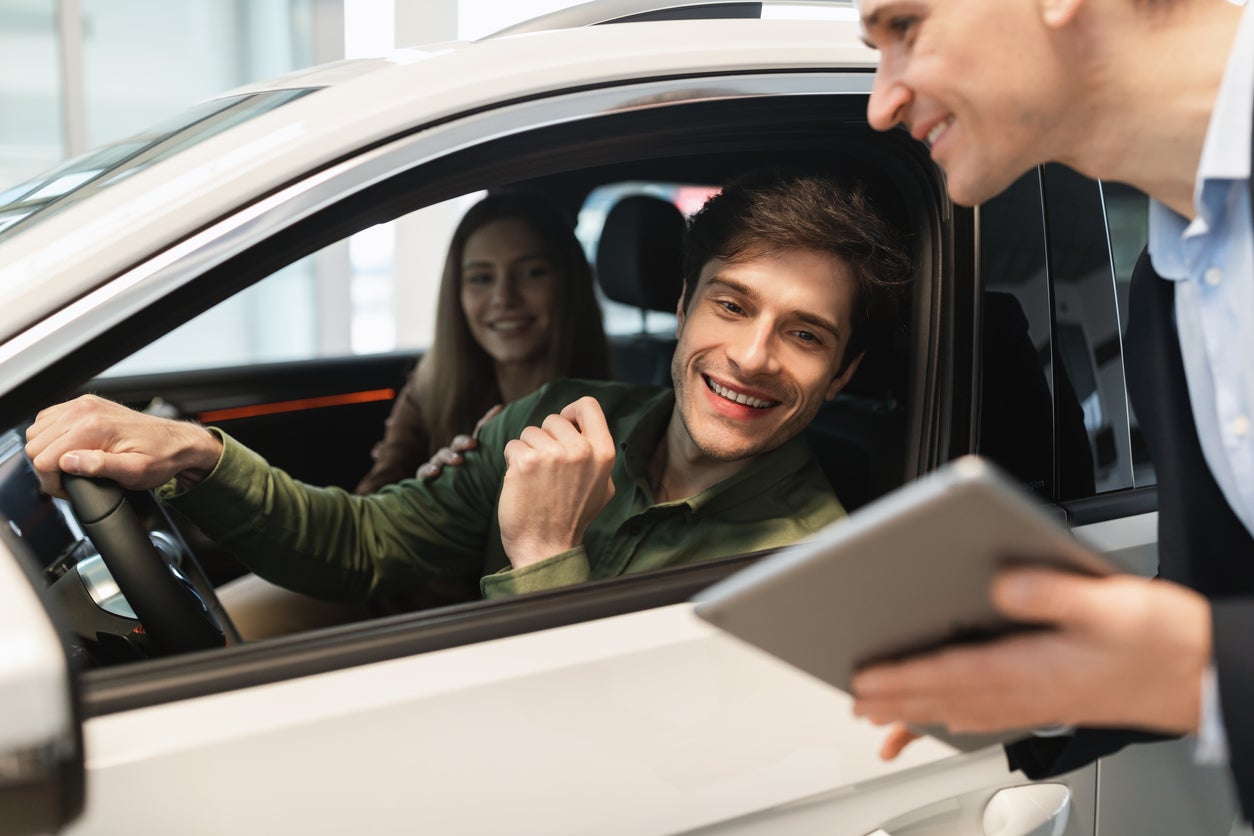
Young Caucasian couple clarifying car purchase details with salesman, looking at tablet screen in dealership center

Driving is an exciting milestone in life, but it can also be intimidating, especially for new drivers. Navigating the roads as a beginner involves a lot of responsibility, but with proper guidance, it can be a lot easier and more secure. In this blog, we will focus on five tips that can help new drivers stay safe and confident on the road. 

Tip 1: Master the Basics 

Before hitting the road, it is essential to understand the fundamental rules of driving. Start by reviewing your state's driver's manual or take an approved driver's education course. This will help you learn the rules of the road and gain a better understanding of road signs, speed limits, and traffic laws. Knowing the basics ensures that you can navigate the roads with confidence and safety.  

To further master the basics and gain a strong foundation in driving, it is important to practice frequently in various conditions. Make sure to drive in different weather conditions, such as rain or snow, and during different times of day. Additionally, practice on roads with varying speed limits and traffic levels. This will help you become comfortable behind the wheel and stay safe on the road. 

Tip 2: Keep Your Car Maintained 

Regular car maintenance is crucial for a vehicle's safe operation. Keeping up with oil changes, brakes, and tire rotations are necessary for ensuring that the car is in proper working order. Having a reliable vehicle also means reducing the chance of costly and dangerous breakdowns.  

Having a reliable car is also essential for avoiding any unwanted incidents on the road. Be sure to check your fluids (oil, coolant, brake, and transmission) regularly and top them off if needed. Make sure to have your brakes inspected occasionally, as well as inspect the car's tires for proper inflation levels and tread wear. 

Tip 3: Avoid Distractions 

Distractions while driving are dangerous, irresponsible, and can lead to accidents. Keep your phone on silent and out of reach while driving. If you need to use your phone, pull over to a safe spot to take the call or reply to a text message. Additionally, avoid eating, smoking, grooming, or engaging in other distracting activities while behind the wheel. 

In order to reduce distractions while driving, it is important to minimize the number of passengers in the car. Having fewer passengers in the vehicle reduces the chances of conversations or other interactions that could take your focus away from driving. Additionally, avoid programming GPS devices or changing radio stations while driving, as these activities require visual and mental attention. 

Tip 4: Don't Tailgate 

Maintaining a safe distance between your car and the vehicle in front is crucial for a driver's safety. The recommended following distance is three to four seconds between cars. This ample time will allow you to avoid a collision if the vehicle in front makes any sudden stops or turns. 

Tailgating can be dangerous and should always be avoided. Not only can it lead to rear-end collisions, but it can also cause road rage from the driver in front. Additionally, tailgating restricts vision and forces drivers to make quick decisions in order to avoid a collision.  

Tip 5: Obey All Traffic Rules 

Driving safely and responsibly involves obeying all traffic rules and laws, including stop signs, traffic signals, and posted speed limits. Remember, breaking the rules puts not only your safety but also the safety of other road users at risk.  

When driving, always be aware of the speed limit and the posted signs to ensure that you stay within the laws. Following the speed limit helps prevent speeding tickets and keeps you from putting yourself and other drivers at risk. Additionally, be mindful of intersections and obey any traffic signals, such as stop lights or yield signs. These traffic signals are there to keep you and other drivers safe on the road.  

Get Out and Drive — Safely! 

In conclusion, as a new driver, it is crucial to remain vigilant, patient, and adhere to basic traffic rules. Regular maintenance of your car, avoiding distractions, and maintaining a safe following distance are all essential practices to help ensure safe driving. Remember to never drive under the influence of drugs or alcohol, always wear your seatbelt, and enjoy the ride. Following these five tips will make you a more confident and responsible driver. 

Posted in:

Related Posts

Red notification reminder icon chat message of attention alert alarm notice sign or flat design social button important caution symbol and warning urgent exclamation isolated on 3d danger background.

Immediate Action Required: What to Do After a Recall

Staying safe on the road is a top priority, but what actions should you take if your car is recalled? Every recall demands attention! Be ready with our simple, step-by-step guide. What Is a Recall? When there’s a recall, the National Highway Traffic Safety Administration (NHTSA) determines if a vehicle does not meet motor vehicle safety standards. Manufacturers are then required to file a report including details of the vehicle, the number of vehicles affected, equipment affected, a description of the defect, what led up to the decision to recall, an explanation, and a recall schedule. Registered owners must receive a recall notification from manufacturers by first-class mail within 60 days of the recall instructing owners on how to get the issue fixed, the time frame of the fix, and how long the repair should take. Checking for Recalls Made Easy One of the most efficient ways to check for recalls is by using your vehicle’s license plate on the NHTSA website. Though manufacturers are required to notify owners within 60 days, physical mail isn’t always reliable. If you’ve heard about a potential recall or have concerns regarding your car's make and model, searching with your car’s license plate or VIN on the NHTSA site is the simplest way to get accurate and timely information. What To Do When Your Car Is Recalled? Once you find out if the recall applies to your vehicle or parts, there are three options: repair, replace, or refund. By law, the manufacturer must choose one of the three options to correct the issue. If the manufacturer has chosen repair, your vehicle or part must be repaired by the manufacturer at no cost to the vehicle owner. Replacement means that if the problem can’t be fixed, the manufacturer must provide you with another similar or identical model. A refund option involves the manufacturer refunding the purchase price of your vehicle, minus depreciation. These options also apply to accessories such as car seats. Your recall letter or warning should notify you if your car is too dangerous to drive. Regardless, the recall issue should be resolved immediately by taking your vehicle to a local authorized dealership matching the make of your car. Remember, the bigger the recall, the longer the waitlist for an appointment. How to Book a Recall Repair Appointment at Savage Kia Recalls must be done at dealerships for recording purposes, quality monitoring, and making recalled parts available to manufacturers for inspection. While the NHTSA gives manufacturers a grace period for repairs to be made available after a recall, you should contact your local dealership to book an appointment as early as possible to beat the crowds. Establishing a friendly relationship with your local registered dealership can pay off during a difficult recall period! Has your vehicle been recalled? Call Savage Kia immediately to book your recall repair appointment and ensure your vehicle functions to its intended safety guidelines and performs its best. Our team is happy to help, from minor service to full recall assistance!

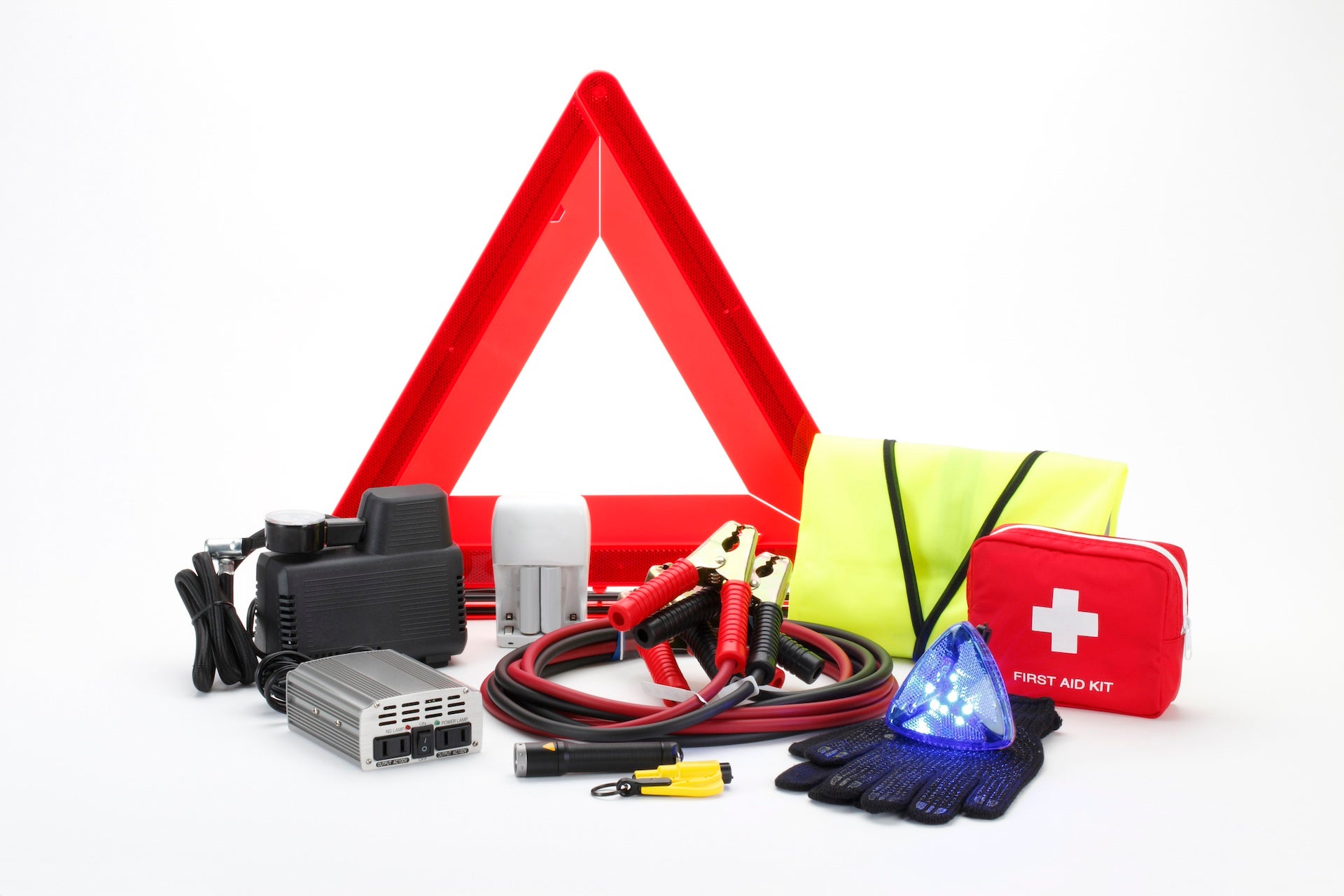
Emergency kit for car isolated on white background

National Preparedness Month 2024: Vehicle Disaster Preparedness Guide

September is National Preparedness Month, promoting emergency readiness. Started by FEMA in 2004, it helps individuals, families, businesses, and communities handle emergencies. With Americans spending about 18 days on the road each year, vehicle preparedness is crucial. Be ready for accidents, breakdowns, and other incidents! Why Vehicle Disaster Preparedness Matters Driving is one of the most dangerous daily activities. Statistics show that road accidents are common, and breakdowns can occur unexpectedly. Being prepared can make a significant difference in how you handle these situations, ensuring safety and peace of mind. Essential Steps to Prepare Your Vehicle for Emergencies Safety involves minimizing risks and avoiding hazardous situations, providing peace of mind by instilling confidence that emergencies can be handled effectively. This approach also enhances efficiency by reducing downtime and enabling a quicker return to the road. 1. Choose a Bag Choose a durable, high-capacity bag to store your emergency supplies. A duffel bag or a specialized bag like the RUSH LBD Lima, with 56L of capacity and shoulder straps, is ideal for this purpose. Keep it in an easily accessible location, like your trunk or behind your rear seats. 2. Pack Tools Equip your vehicle with versatile tools for minor repairs and emergencies: Multitool: Essential for minor fixes; consider one with a glass breaker for emergencies. Seatbelt Cutter: Keep within arm's reach for a quick escape if needed. Recovery Tools: A folding E-Tool or small shovel can help you get unstuck from sand or mud. Illumination: Headlamps and handheld lights for nighttime repairs. Road Flares: Ensure you're visible to other drivers during roadside emergencies. Fire Extinguisher: A Class A, B, and C-rated extinguisher can save lives and property. 3. Don't Forget Supplies Stock your vehicle with essential supplies: Water: For hydration and as a temporary substitute for radiator fluid (research how to do this safely). Gas Can: For emergencies and extending your range; never store a filled can inside your vehicle. Medical Supplies: Basic first aid kit, including bandages, antiseptic, and a tourniquet. 4. Cover and Protection Prepare for the elements and manual tasks: Poncho: Keep dry during roadside repairs. Masks: For unexpected needs. Gloves: Protect your hands during repairs. Warm Clothes: A change of warm clothing can be a lifesaver. Footwear: Keep sturdy, waterproof boots in your vehicle. Join the Community Effort National Preparedness Month is a collaborative effort involving government agencies, nonprofit organizations, businesses, schools, and communities across the nation. This year's theme, "Start a Conversation," encourages discussing emergency preparedness with family and friends. Set aside time to talk about steps you've taken to prepare and encourage others to ask questions and share their own preparedness actions. Protect Yourself on the Road with the Right Car Preparing your vehicle for emergencies is a crucial step in ensuring your safety on the road. Use the tips above to gather supplies and create a properly stocked vehicle disaster kit. For more resources and information on preparing for emergencies, visit Ready.gov. Make sure you're also driving a vehicle that's ready for anything nature can throw at you. With the help of Savage Kia, you can have a new vehicle with enough room for any extensive preparedness kit along with great safety features like lane departure warning to keep you safe on your day-to-day drive. Dump your old deathtrap and choose something that's surefooted and dependable on the road today.

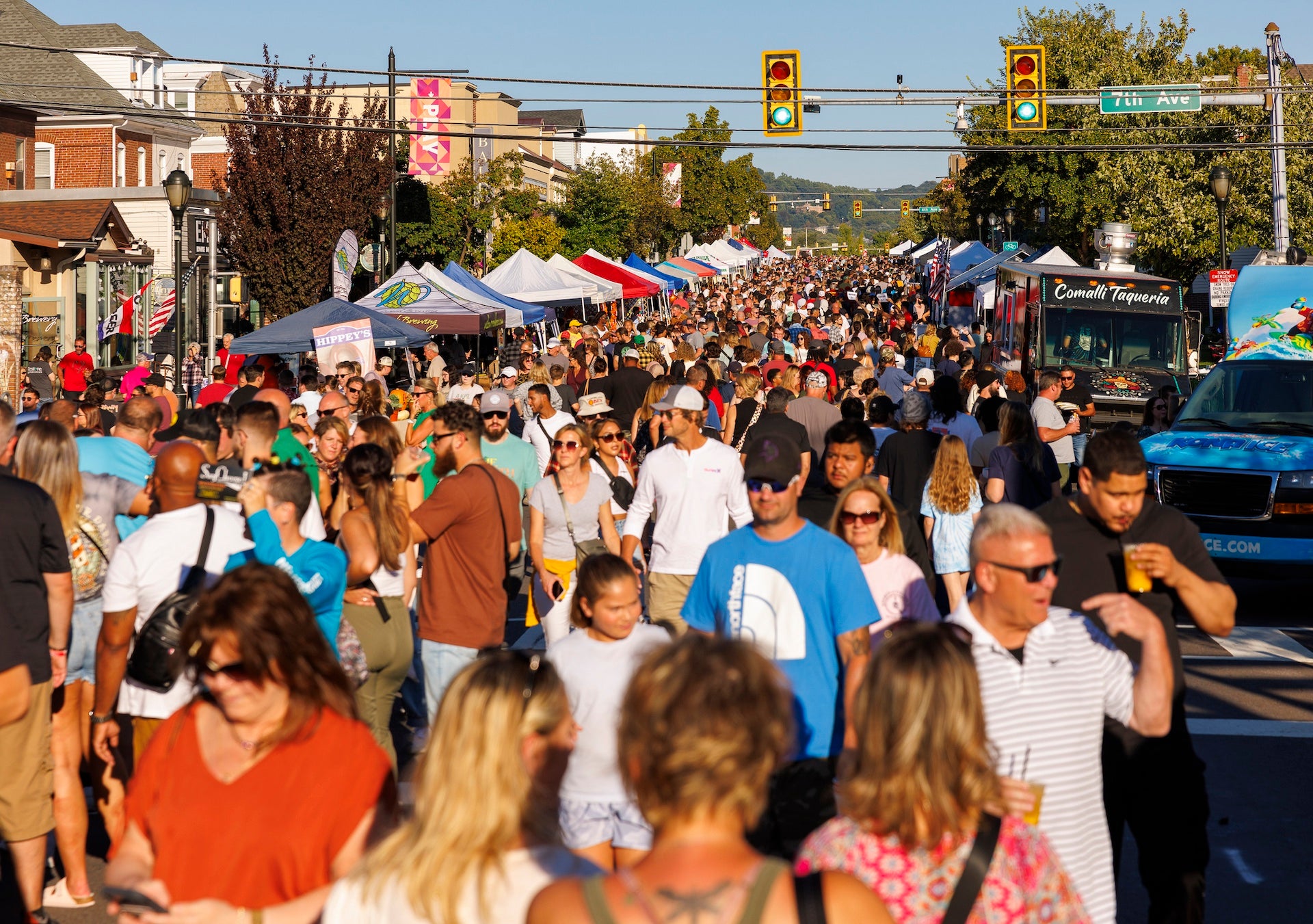
Lively Festival in West Reading, Pennsylvania: bustling streets and a variety of food trucks in USA

Must-See Festivals in Reading this June

The kids are home from school and the weather is great, what’s there to do in Reading? Plenty! Summer brings a flurry of festivals, inviting you to venture out, enjoy delicious food, and immerse yourself in new experiences. Liederkranz Wurst Fest Join us in celebrating German culture at Wurst Fest! Indulge in a delectable array of sausages, from traditional bratwurst to exotic varieties, paired perfectly with pretzels, sauerkraut, strudels, and more. Experience the widest selection of bratwursts and German delights on June 8th, 2024, from 5 pm to 10 pm at Reading Liederkranz. Admission is free for members and $10 for non-members. Willkommen alles! Spring Fiesta A free family fiesta featuring some of Berks’ best tacos, Muhlenberg Township welcomes you to Spring Fiesta 2024. Come out to Jim Dietrich Park on Saturday, June 8th between 11 am and 9 pm to enjoy amazing food, ice-cold drinks, vendors, live music, and other entertainment from bull riding to piñatas! Art on the Avenue Celebrating its 30 th year, West Reading’s Art on the Avenue returns on June 15 th to showcase the work of local and regional artists, businesses, vendors, and musicians. Named the biggest event in West Reading, Art on the Avenue offers art of all forms over four blocks of North 6 th Avenue. More than 200 vendors make up this free event to bring back the local community together to celebrate music, art, and food. The event is rain or shine from 11 am to 7 pm. Berks Celtic Festival Brought to you by the Berks Irish American Fraternal Association, the 18 th Annual Berks Celtic Festival promises to bring great music, entertainment, and food. The BCIAFA promotes the Celtic Festival as a fundraiser to acquire their own site – until then, the Berks Celtic Festival takes place at the Reading Liederkranz from 11 am to 9 pm on June 29 th. Early bird tickets are $12 or $15 at the door! Festival Season in Style With so many festivals and events this summer, it’s important to arrive safely and in style! At Savage Kia we have many great Kia models to help you cruise around Reading and Berks County from festival to festival. Our 2024 Kia Sportage has great fuel efficiency and is a Top Safety Pick for a smooth and safe ride wherever you go. Visit or contact us today to see our entire stock of trusted Kias!